The Eurasian Economic Commission, together with the World Organisation for Animal Health (WOAH) Regional Representation for Europe, held consultations for EAEU veterinary authorities on bovine spongiform encephalopathy (BSE). Source: Eurasian Economic Commission (EEC).
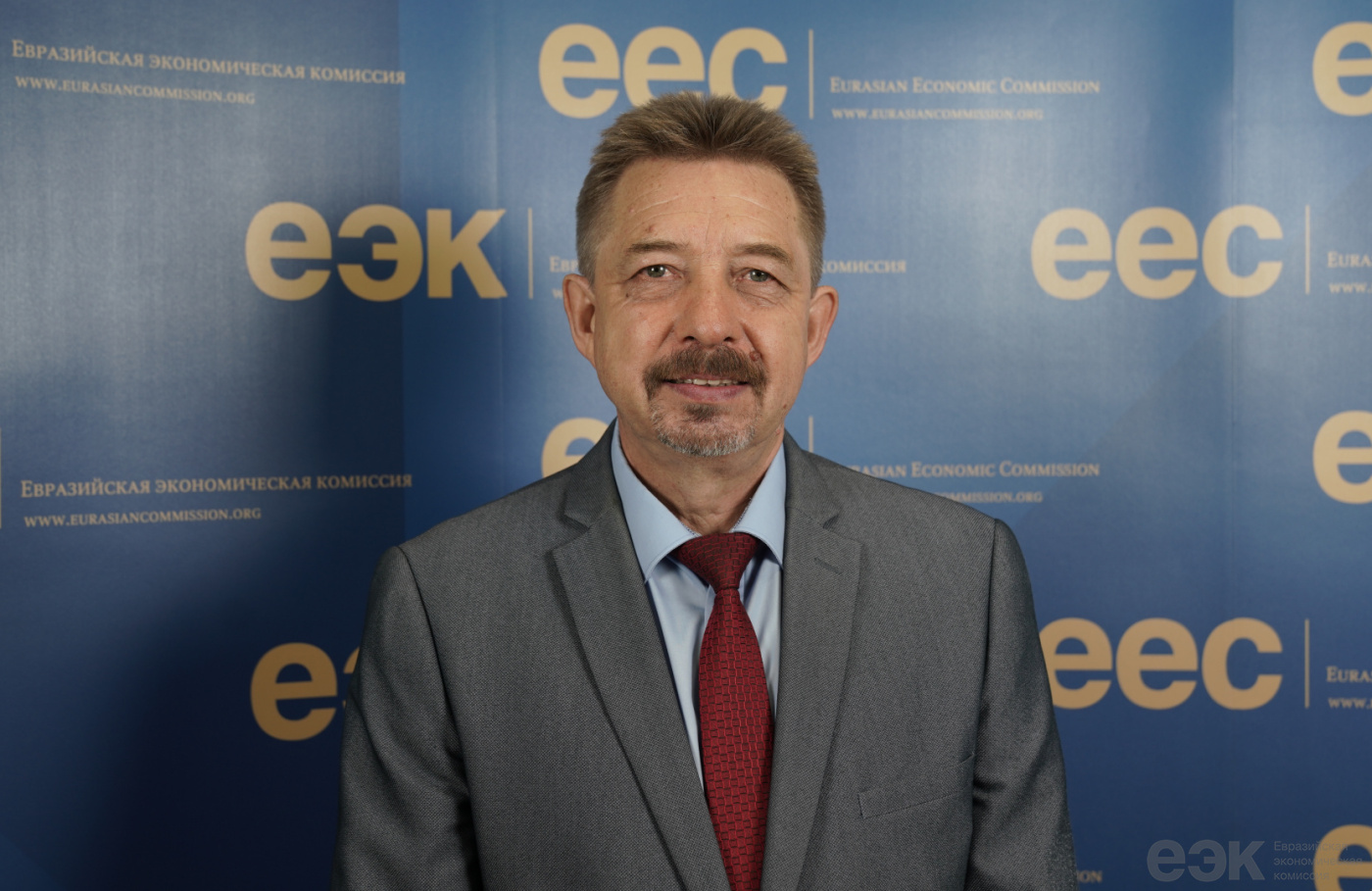
Participants reviewed WOAH application procedures for official BSE status, risk assessment and epidemiological surveillance, WOAH requirements and trade-related recommendations. Vladimir Subbotin, Deputy Director of the EEC Department of Sanitary, Phytosanitary and Veterinary Measures, noted that controlled or negligible risk status significantly strengthens a country’s export potential.
Particular attention was given to updates to WOAH Terrestrial Animal Health Code standards on BSE. Main changes include a shift from point-based to targeted epidemiological surveillance and mandatory assessment of pathogen impact risk on herds regardless of import risk assessment. A Guide to Targeted Epidemiological Surveillance for BSE was developed to harmonise national surveillance systems with WOAH requirements.
Budimir Plavsic, Head of the WOAH European Regional Representation, stressed that understanding the standards is essential for preparing an application and requires the involvement of the entire veterinary service — government bodies, laboratories and field specialists. Attendees were briefed on the annual confirmation mechanism for an already granted official status.
Specialists from Russia’s FGBI VNIIVViM reference laboratory for rabies and BSE and the UK Department for Environment, Food and Rural Affairs shared experience in obtaining controlled or negligible risk status and organising disease surveillance. Representatives of EAEU competent authorities took part; presentations were delivered by WOAH, VNIIVViM and UK experts and independent specialists.
BSE is a chronic disease with a long incubation period; diagnosis and monitoring demand substantial organisational and financial resources. Detection in a country sharply restricts — up to a ban — movement of beef and other cattle slaughter products within the Union and exports to third countries. WOAH is an intergovernmental organisation responsible for animal health worldwide and is recognised as a reference body of the WTO.