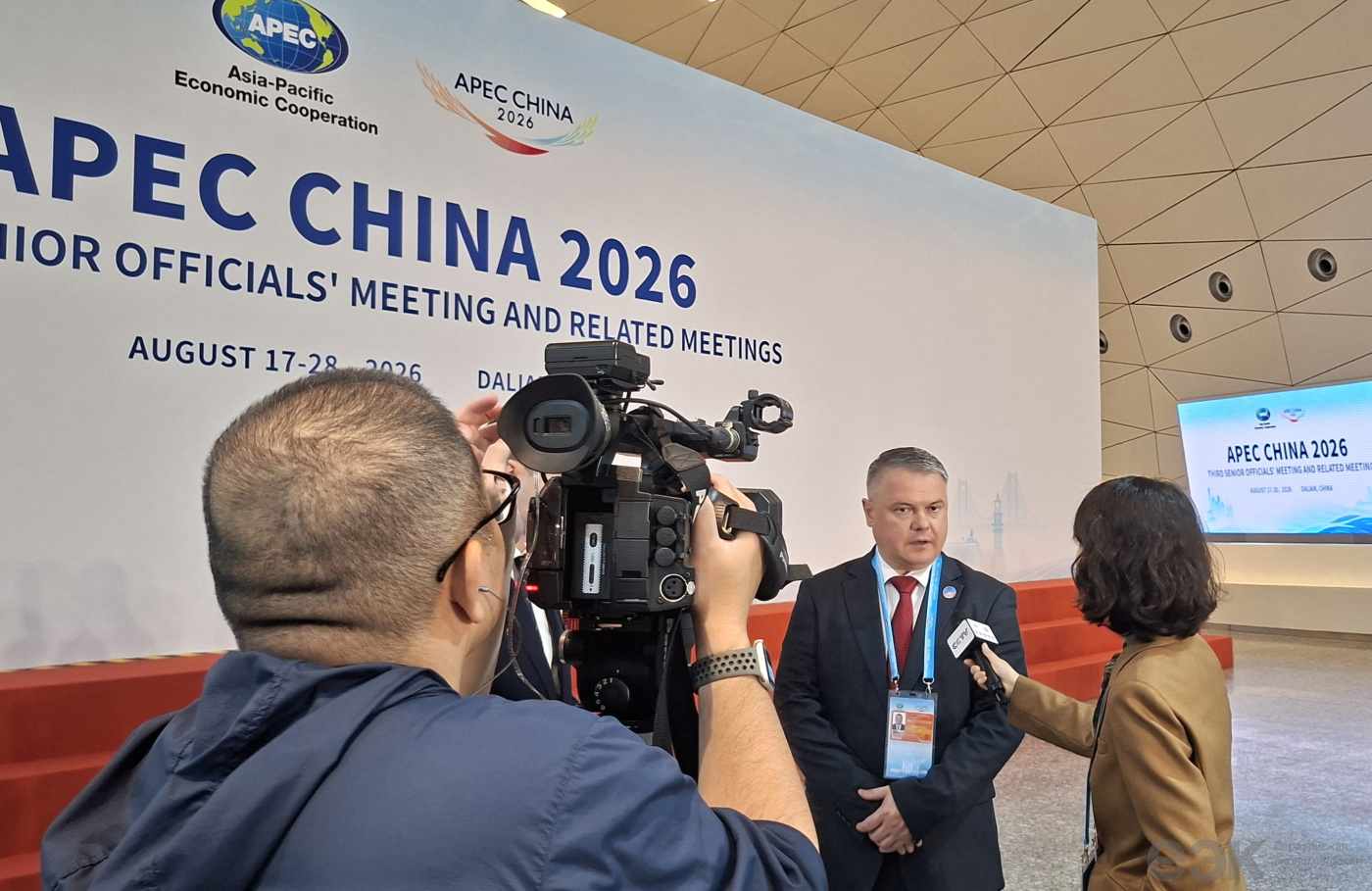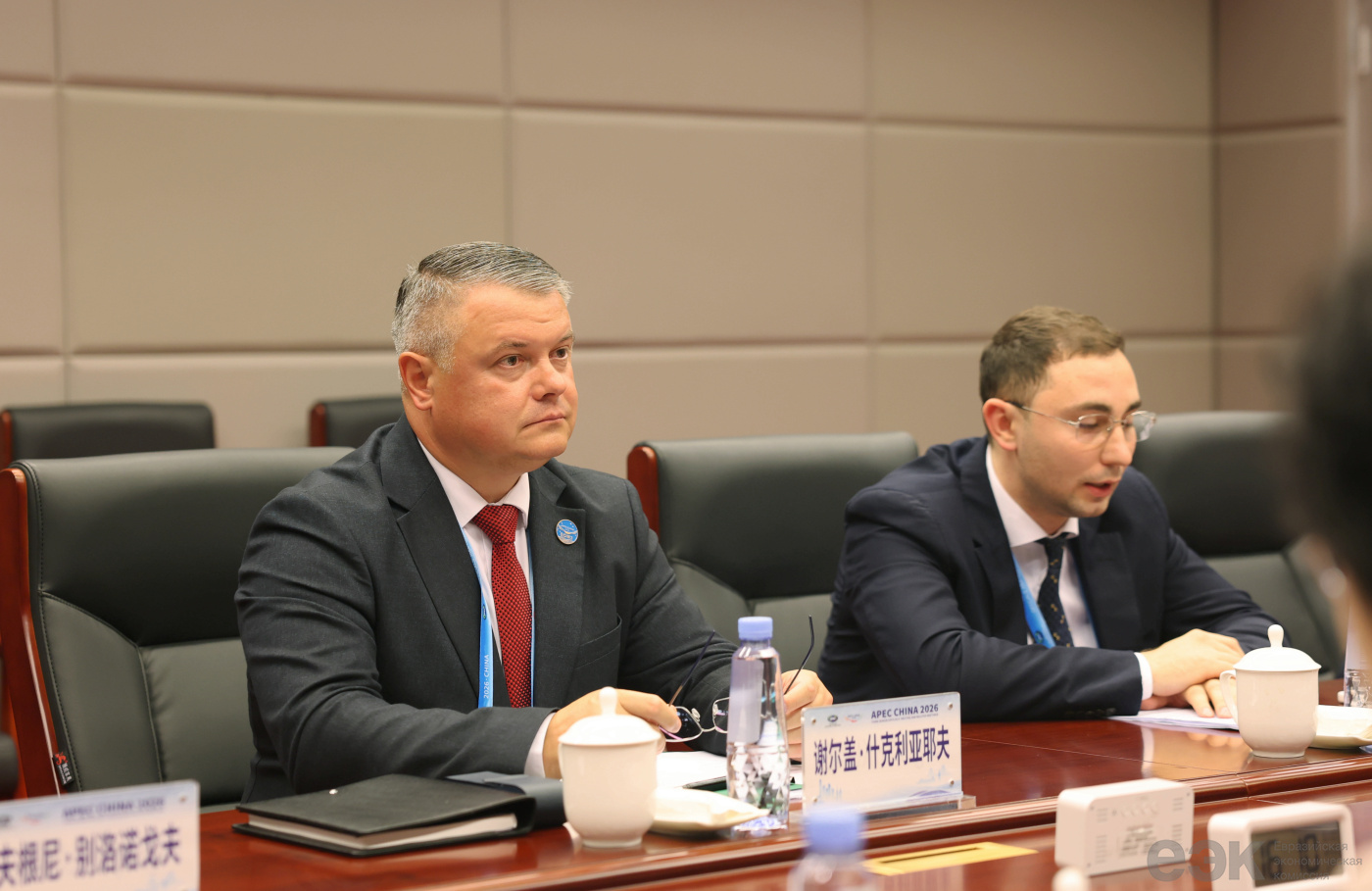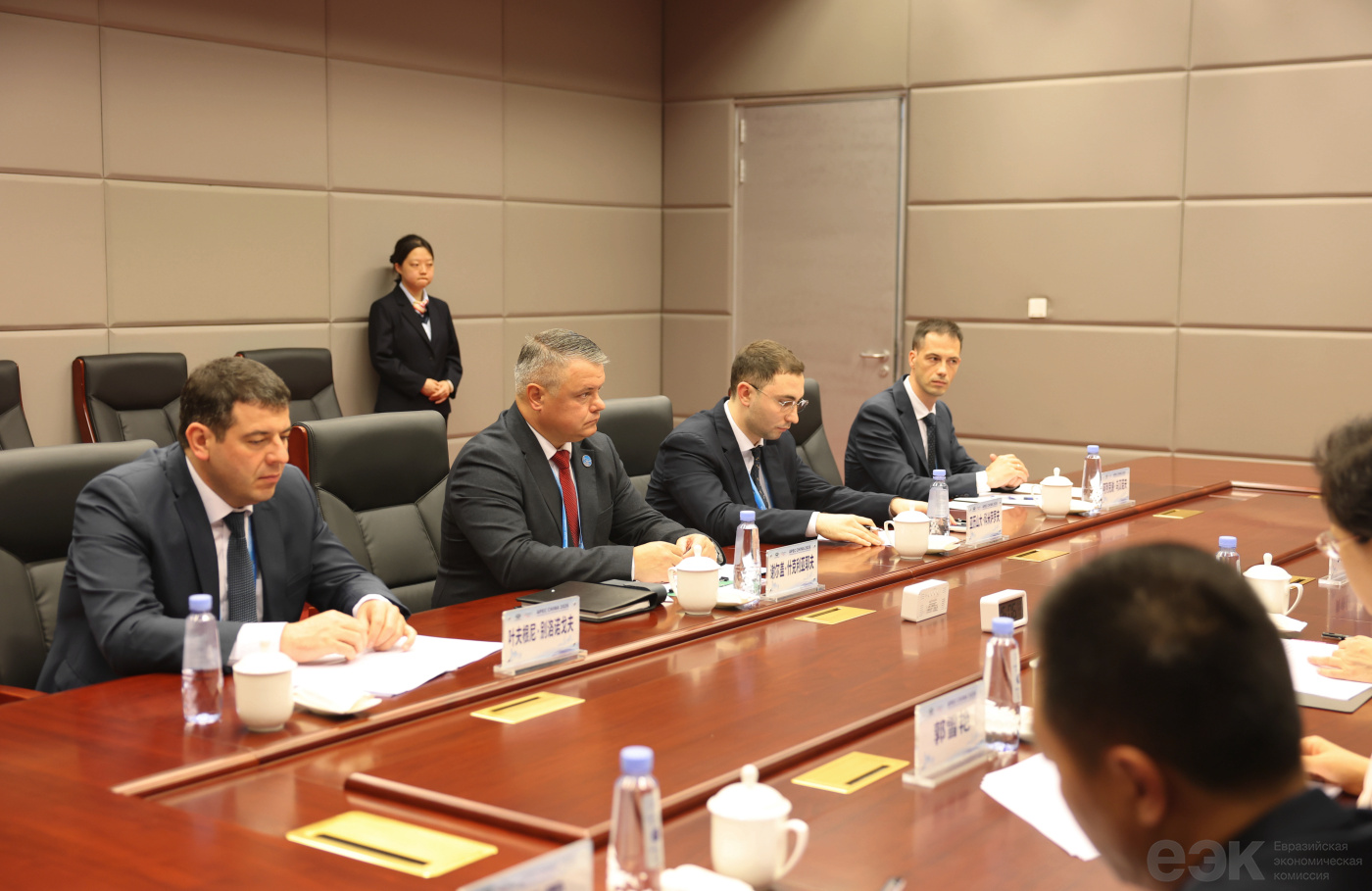
In Dalian, China, at an APEC high-level officials’ meeting, EEC Minister for Customs Cooperation Sergey Shklyaev outlined digitalisation of customs operations in the EAEU and the study of APEC members’ practices. Source: Eurasian Economic Commission (EEC).
Speaking at the APEC Customs–Business Dialogue plenary, he described joint work by the Commission and the five EAEU states, including cargo tracking with navigation seals and smart border checkpoints. The Union aims for an IT-based regulation system that speeds up operations while raising the quality of control, and for that reason studies APEC legal tools and customs–business dialogue practices.
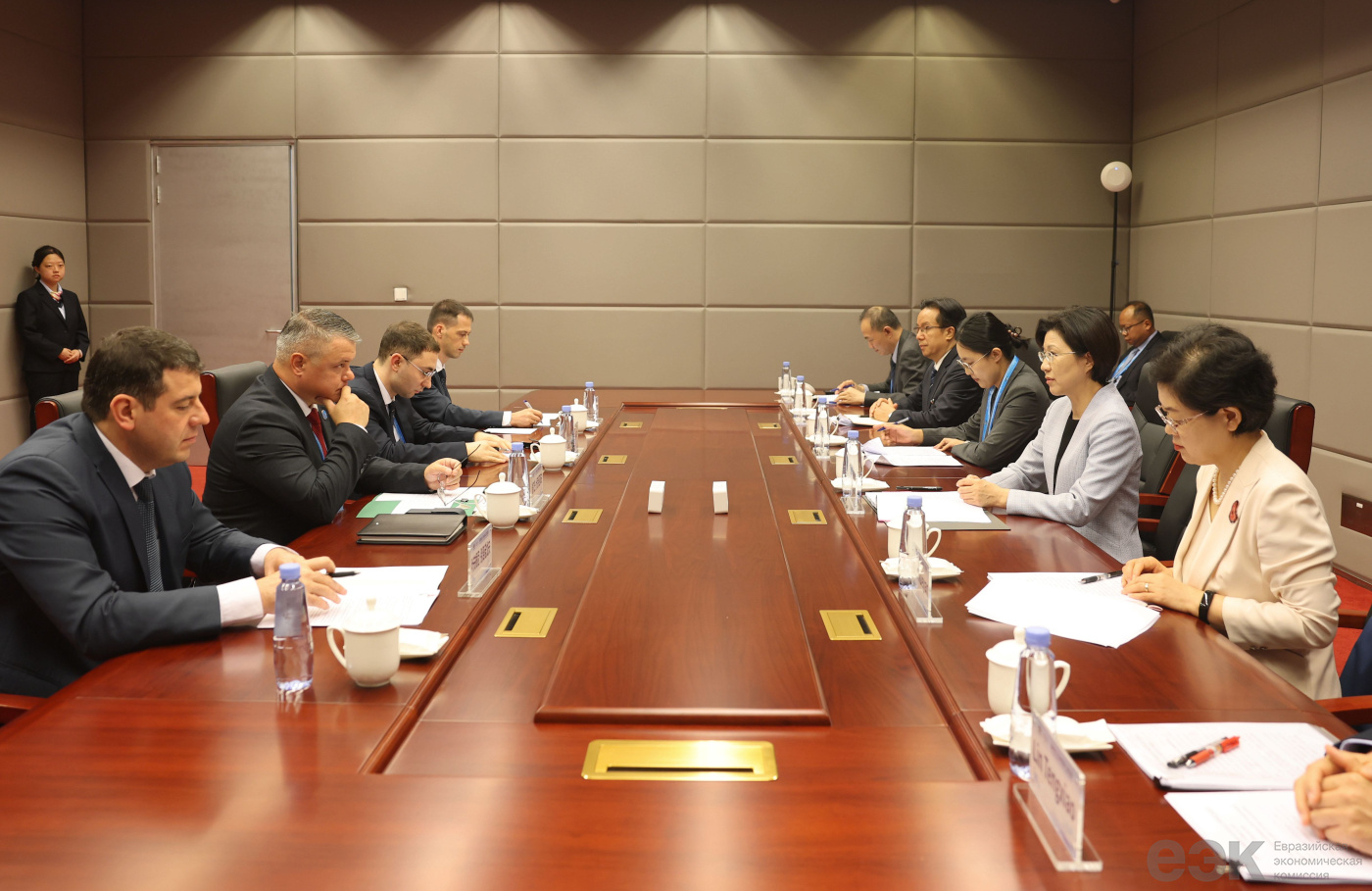
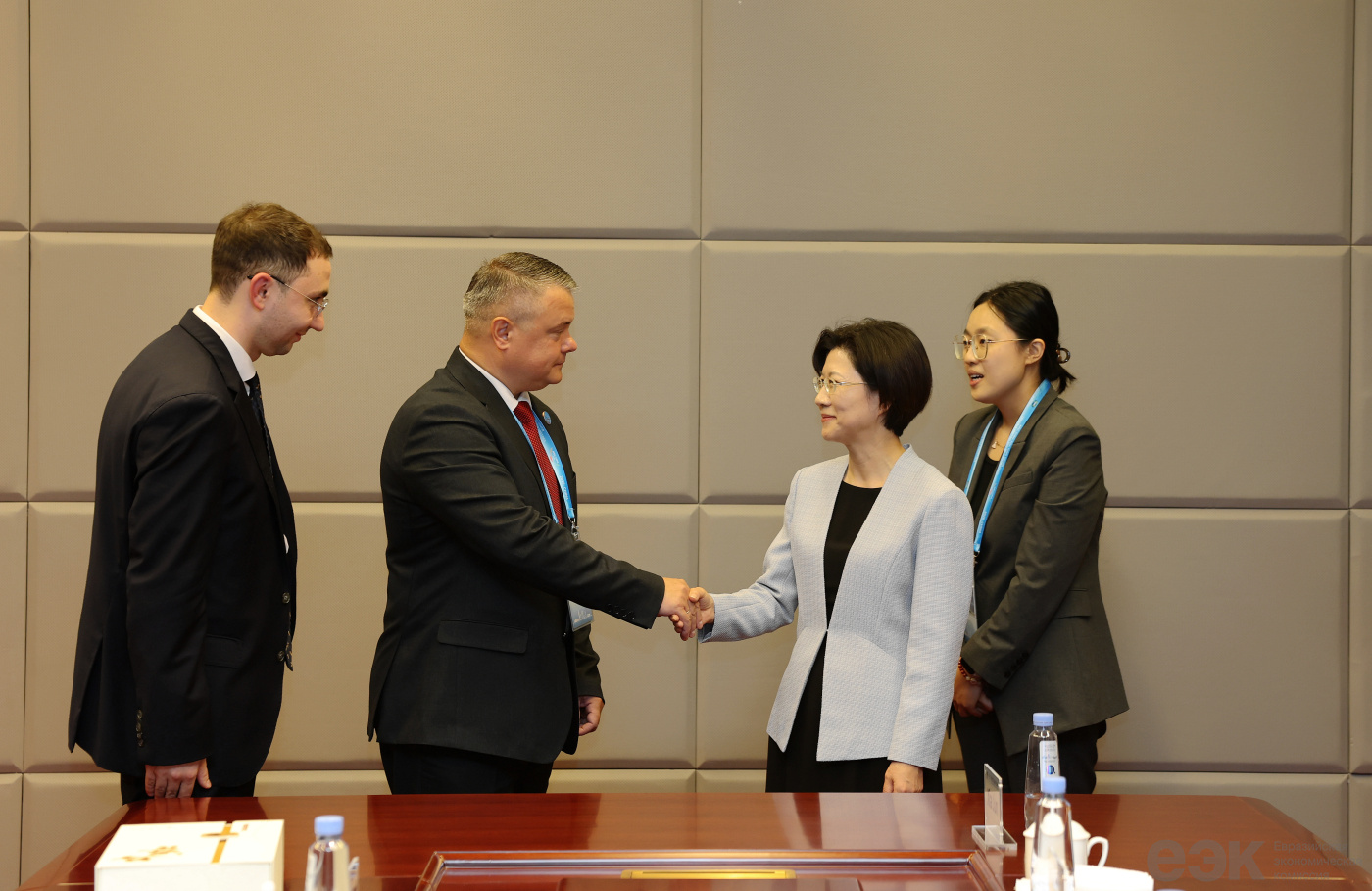
Separately, Shklyaev held a working meeting with Sun Meijun, head of China’s General Administration of Customs. The focus was practical information exchange between EAEU customs services and China’s GAC under an existing agreement. Both sides confirmed their intent to finalise the legal basis quickly and move to implementation, and agreed to hold the first in-person expert meeting in several years.
He also briefed Chinese counterparts on the EAEU Unified Customs Transit System: the heads-of-state agreement was signed in December 2024 and entered into force in June 2026. It draws on global best practice and provides for a single transit declaration, a single financial guarantee, mutual recognition of control results and navigation seals; non-EAEU countries may join. China’s participation as a key trading partner of the “five”, he noted, could strengthen Eurasia’s transit potential.
The talks covered China’s “Smart Customs” initiatives and plans for mutual demonstrations of advanced customs technologies. APEC remains a regional trade platform that includes both EAEU neighbours and major partners such as China, Vietnam and Indonesia.